
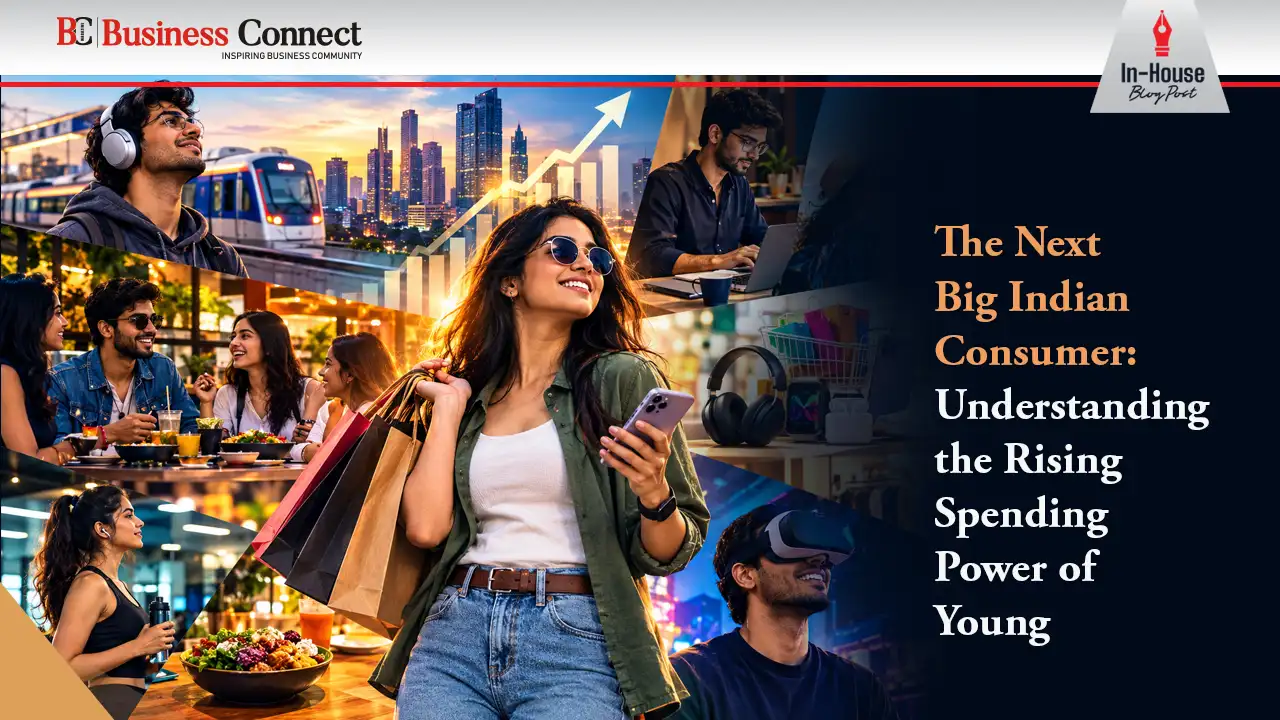

The Next Big Indian Consumer: Understanding the Rising Spending Power of Young India
Imagine a family thinking of buying a new phone. The young person at home checks reviews, watches creators compare tutorials, selects one, and then the parent makes the payment. Now multiply that same scene across millions of homes. BCG and Snap published their report in 2024 stating that Gen Z is driving 43% of India’s consumer spending, about $860 billion. But they earned only about $200 billion and spent it themselves. The other $660 billion was someone else paying, but they influenced what was being spent.
So the young Indian consumer who chooses your product may not be the one who pays for it. For a founder, the important question is who decides, who pays, and how to win both.
The Generation Leading the Market
The current Gen Z population is around 377 million; it has become the largest generation India has had. BCG defines this generation as those born between 1996 and 2010 and says its focus is strongest in footwear, dining, out-of-home entertainment, and fashion. This young generation accounts for close to half of spending in each segment.
As per 2024 data, only 1 in 4 were working. Now, BCG expects every second Gen Z to be earning by 2025. It estimates their direct spending at $1.8 trillion by 2035.
The Two Big Indian Consumers
Presently, there are two audiences in the market: the young person with a salary and the young person who is not earning but influences what the family buys. Redseer finds that Gen Z influences what the whole household adopts, mainly from newer brands.
Most brands focus on one or the other. BCG’s survey found that 45% of companies see Gen Z’s potential, but only about 15% have worked on it. A smaller business that moves first has potential.
How Young India Shops
The current young generations want to buy trendy products that also work at an affordable price. According to Redseer, Gen Z IS the largest group on India’s leading fashion platforms, but their average purchase is around half a millennial’s. They prefer buying fast fashion under ₹1,000.
Customer loyalty is quite thin in this generation. They often prefer to pick a trending style over a familiar brand, and most turn to creators for shopping ideas. Products at low prices win the first order. A product that works earns the second, and friends hear about the ones that disappoint.
Different Brand Stories
Winning young customers is just one job; the next step, and important step, is building a healthy business. Snitch and Bewakoof both sell to young shoppers, with very different results.
Snitch’s filings show earnings of about ₹498 crore in FY25 revenue, roughly double the year before, with a ₹1.7 crore loss. Meanwhile, Bewakoof grew 8% to ₹173 crore and lost about ₹73 crore. Both are opening physical stores along with online sales.
The Next Big Indian Consumer: Reality Check
The excitement runs ahead of incomes. The government official data put youth unemployment (ages 15 to 29) at 9.9% in 2025 and 13.6% in cities. About a quarter of that age group were neither working nor in education or training. Newer quarterly figures use a different method and show a higher rate.
Credit is also part of the picture; in March 2026, half of India’s new credit card customers were 30 or younger.
The Takeaway for Business
Try to provide value for the price, and make the product work. Focus on the older generation as well; answer what a parent will ask, such as what it costs and whether it can be returned. Build creator relationships over time, as Redseer advises. Minimalist worked with niche skincare creators and dermatologists, and HUL bought 90.5% of it in 2025 at a ₹2,955 crore valuation. Go easy on easy credit: many young buyers are already borrowing, and a customer in debt trouble does not come back.
Money is moving from parents’ wallets to young people’s own. BCG’s 2024 report says that by 2035 every second rupee of consumer spending will be driven by Gen Z. Young people set their brand habits in their twenties. The brands that earn their trust now, while they are still deciding, will be first in line when the wallets open.
Add Business Connect magazine to your Google News feed
