
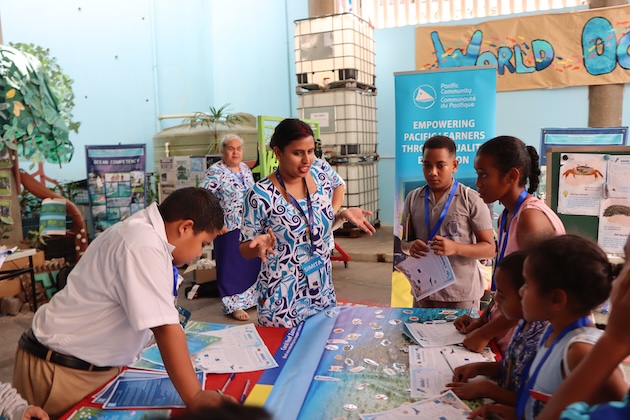

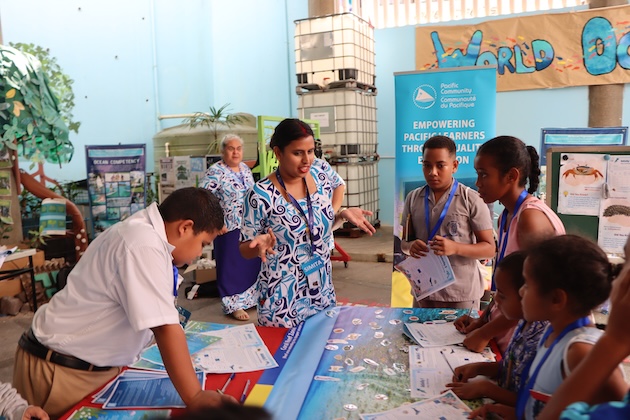
SUVA, Fiji, August 26 (IPS) – For generations, Pacific children have grown up with the ocean as part of everyday life. It is where families fish, where stories are passed down, where livelihoods begin and where cultures are rooted. Yet many young people are inheriting an ocean facing pressures unlike anything their ancestors experienced, from warming seas and coral bleaching to plastic pollution and declining marine ecosystems.
Across Fiji, a quiet movement is helping change how the next generation sees the ocean.
Children who once viewed the sea simply as a place to swim, fish or spend time with friends are beginning to understand something much deeper: that the future of the Blue Pacific depends on the choices they make today.
For Hannah Nanovu, Whole School Ocean Coordinator at the International School Suva, watching that transformation unfold is one of the most rewarding parts of her work.
“Every year, the students surprise and inspire me through their passion, creativity, and commitment to learning more about the ocean and taking action,” Nanovu says.
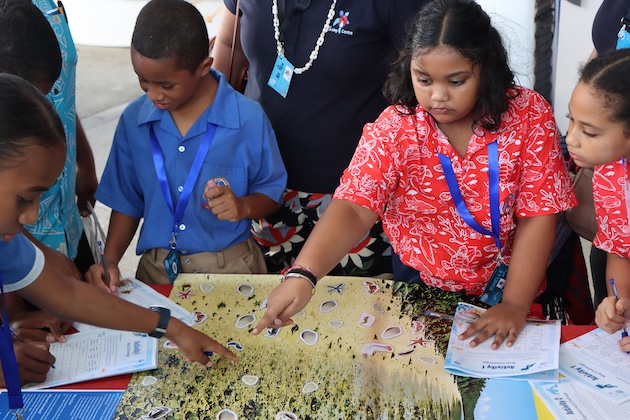
“This year, having students travel from Beqa to participate was particularly inspiring, and seeing the conference grow each year, with more schools joining and schools travelling further to be part of it, reminds me that we are building a community of young ocean advocates across Fiji.”
That growing community came together once again at the Veivueti Kids Ocean Conference, where students explored the ocean not just through science but through culture, storytelling, traditional knowledge and hands-on learning.
Since developing its Whole School Ocean Programme in 2018, the International School Suva has used the conference to create a space where students can present research, exchange ideas and discover that every child — regardless of where they come from – has a role in protecting the ocean.
Behind that movement is a broader regional effort led by the Pacific Community (SPC).
Science That Begins With Home
For many students, science can feel distant.
Concepts such as biodiversity, ocean circulation, marine ecosystems and climate change often exist only in textbooks—complex words to memorise rather than realities connected to everyday life.
SPC believes science becomes far more powerful when students discover it in places they already know.
“Pacific communities have a deep cultural and traditional connection to the ocean, but more can be done to increase knowledge about ocean ecosystems, the challenges they face, and how we can protect them,” says Doreen Tuala, team leader for Curriculum and Assessment at SPC.
“The best place to start addressing this need is through education, especially by engaging young people.”
Rather than separating modern science from Pacific knowledge, SPC’s approach brings them together.
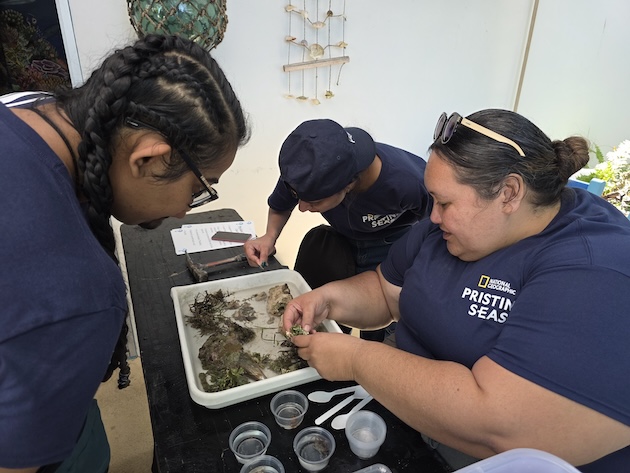
Students investigate coral reefs they swim on, mangroves that protect their villages, fisheries that feed their families and coastlines increasingly affected by climate change. They learn through fieldwork, conversations with elders and practical investigations that reveal how traditional ecological knowledge and scientific research complement one another.
Tuala explains, “By connecting learning to students’ everyday lives, local environments and cultural knowledge, students can investigate issues that directly affect their communities, such as coral reef health, sustainable fisheries, coastal erosion, marine pollution and the impacts of climate change.”
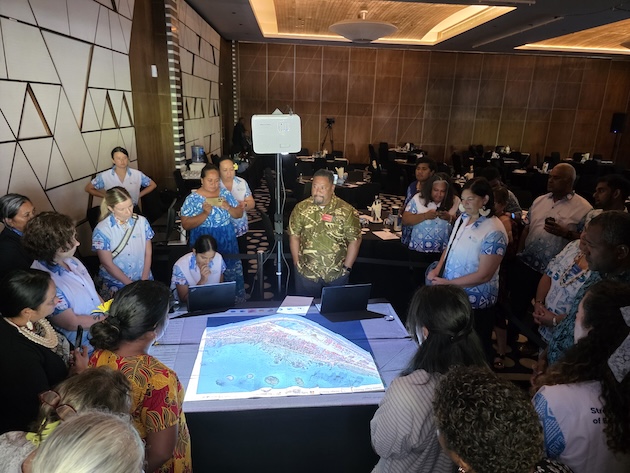
Building a Generation of Ocean Guardians
Recognising that ocean stewardship begins long before adulthood, SPC is making one of its strongest regional commitments yet – to ocean literacy.
Its work is built around three complementary initiatives:
Together, these initiatives aim to embed ocean literacy in Pacific education systems, giving young people the knowledge, skills and confidence to understand the ocean that sustains them.
“Through this partnership, we are bringing together scientific expertise, educational resources and regional networks to support countries in integrating ocean literacy into education systems,” says Tuala.
The partnership combines SPC’s curriculum expertise with National Geographic Pristine Seas’ experience in marine science, exploration and conservation. But its purpose extends well beyond developing lesson plans.
It seeks to address a long-standing gap in structured ocean education designed specifically for Pacific realities, ensuring students learn about the ocean through examples, cultures and ecosystems they recognise as their own.
Learning Beyond the Classroom
That philosophy comes alive at the Veivueti Kids Ocean Conference.
This year, SPC delivered one of the conference’s most popular activities, an interactive ocean scavenger hunt where students learned directly from marine scientists and ocean experts.
“The students were engaged, curious and loved the opportunity to learn directly from ocean experts,” Nanovu says.
For her, the impact extends well beyond the children.
Teachers leave with fresh ideas, practical resources and renewed confidence to bring ocean learning back into their classrooms.
“Through these projects, students are developing a deeper understanding of the ocean.”
“My hope is that through this connection they grow to love the ocean a little more. They are the future guardians of our ocean, and it is now their turn to carry the torch of protection and stewardship.”
Nanovu credits SPC as one of the key partners helping the conference continue to grow.
“I am incredibly grateful to SPC for supporting the Veivueti Kids Ocean Conference since it began three years ago,” she says.
“Their support has helped make the conference possible through providing engaging workshops and contributing towards important costs such as food and resources.”
Empowering the Teachers
Strong ocean education depends on confident teachers.
That is why SPC’s regional Science Teaching and Learning Workshop focuses not only on students but also on empowering educators with practical teaching strategies, classroom resources and regional networks they can take back to their schools.
“Ultimately, we want teachers to feel empowered to inspire their students to become informed and responsible ocean stewards who understand the importance of protecting and sustainably managing our ocean resources for future generations,” Tuala says.
To support that work long after the workshops end, SPC has established the EQAP Ocean Literacy Resources Repository, a growing online collection of lesson plans, classroom activities, multimedia resources and teaching tools that educators across the Pacific can freely access and adapt to their own languages, cultures and environments.
SPC’s commitment extends well beyond Fiji.
In New Caledonia, SPC is partnering with Comité Égalité pour tous à l’école (Comité 3E) to strengthen environmental education through schools and communities while ensuring learning reflects local cultures, languages and experiences.
Together with regional teacher training, practical classroom resources and youth initiatives, these partnerships are steadily building something much larger than individual projects.
They are nurturing a generation that sees the ocean not simply as a resource to use but as a living system to understand, respect and protect.
The Pacific Ocean covers nearly one-third of the Earth’s surface. Its future will not be determined by governments or scientists alone.
It will also be shaped by the children sitting in classrooms today—children who understand why coral reefs matter, who recognise the value of mangroves, who embrace both ancestral knowledge and modern science, and who believe their actions can make a difference.
That is the future SPC hopes to help create.
“Through this initiative, we aim to encourage students to see themselves not only as beneficiaries of the ocean’s resources but also as guardians of a shared Blue Pacific heritage,” says Tuala.
Looking ahead, the vision is simple but ambitious.
“Our vision is for young Pacific people to have the knowledge and confidence to help keep our ocean healthy and sustainable.”
“If more students see themselves as ocean stewards and take action to protect the marine environment in their communities, this partnership will have made a real difference.”
IPS UN Bureau Report
© Inter Press Service (20260826094005) — All Rights Reserved. Original source: Inter Press Service
