
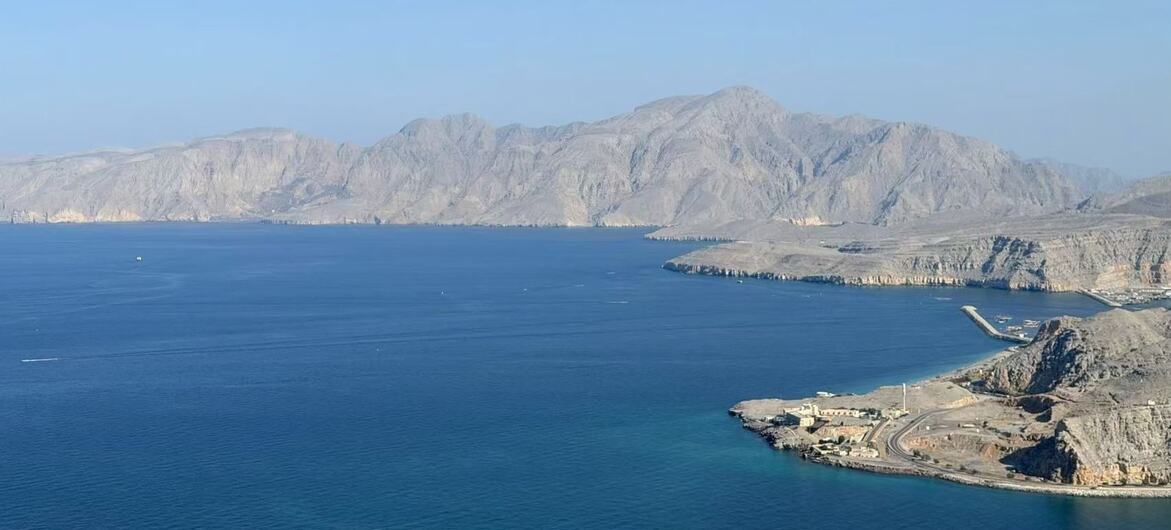

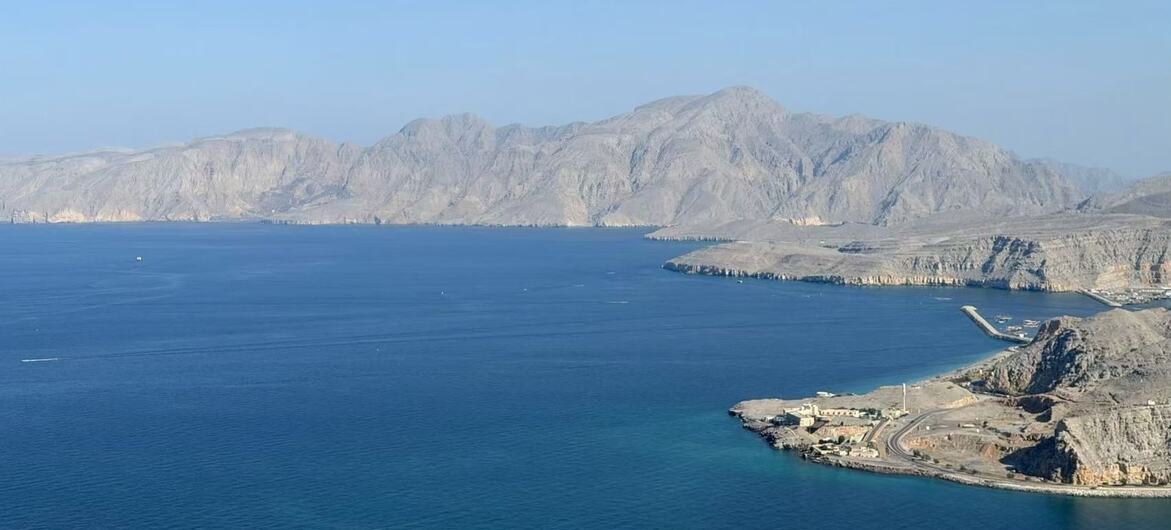
©Jie Zhang
Overlooking the Strait of Hormuz from the Musandam Peninsula, Oman.
Nearly nine months after Israeli and US strikes on Iran set off a regional war, the Gulf remains on a knife edge. Iran has all but closed the Strait of Hormuz, which carried a fifth of the world’s oil before the conflict. Attacks on shipping are rising, and efforts to stop a return to full-scale fighting have yet to produce a deal. The Security Council is meeting at Bahrain’s request to discuss the threat to regional and maritime security. Follow live below – and for full meetings coverage year round, go here.
Key Facts
- The war began on 28 February. Iran then struck US military assets and other targets in six Gulf States and Jordan
- In March, the council adopted resolution 2817, which condemned Iran’s attacks and its threats to navigation. China and Russia abstained
- A 60-day US–Iran ceasefire, mediated by Pakistan in June, lapsed in August without a peace deal
- Transits through Hormuz remain around 65 per cent below pre-conflict levels, according to UK Maritime Trade Operations, and October saw the most incidents since the war began
- Transits through the Bab al-Mandab Strait are down by roughly a quarter since the Houthis declared a blockade on Saudi-linked shipping in July
Follow live on UNWebTV below:
© UN News (2026) — All Rights Reserved. Original source: UN News
