

Smart meters are a great way for households and businesses to monitor energy use and take control of their bills, potentially saving energy and money while reducing greenhouse gas emissions.
As of the start of June 2026, over 42 million smart meters have been installed in homes and businesses across the UK.
Smart meters enable accurate billing , meaning your business will only need to pay for the energy it uses. This could help your business take control of your energy bills. Even better, smart meters send gas and electricity readings directly and securely to your supplier, so you don’t have to.
To get a smart meter, you first need to talk to your energy supplier and confirm that your business is eligible. Once confirmed, here’s what to expect from the installation process.
3 ways a smart meter can help your scale-up – A smart meter can help you deal with rising energy prices by improving the accuracy of your bills and helping you take greater control of your energy usage
#1 – Ask your energy supplier or broker what’s on offer
If you rent your premises and you don’t pay the bills, speak to your landlord and ask whether they have plans to install smart meters in your building. If not, discuss the potential for doing so. If you pay bills directly to your supplier, you can request a smart meter without notifying your landlord, unless your contract says otherwise.
If you’re thinking of switching suppliers, you can still do so when you have a smart meter and there should be no disruption to your billing.
You could also talk to an energy broker or go directly to your energy supplier who will take you through your options.
If you already have a smart meter, your supplier may also contact you about switching to newer equipment. This will help ensure your meter continues to work properly, providing automatic readings and accurate information about your energy usage.
#2 – Set an appointment for installation
Once you’ve had confirmation from your supplier that you’re eligible for a smart meter, you can arrange a date and time for the installation that’s convenient for you. Many installers offer appointments outside normal working hours, so ask your supplier about arranging a time that minimises disruption to your business. An installer will never turn up unexpectedly.
#3 – Be around to let your installer in
Make a note of your time slot and remember to be in when they call, especially if you’ve arranged an out-of-hours installation. Appointments vary in length, but a good rule of thumb is that each meter (gas and electricity) will take around an hour to fit. The energy supply will be cut off for a short period, but you will need to be present for the installation.
Make sure you know where the current meters are and that the installer can access them.
#4 – Start to see the benefits of your smart meter
Your installer will show you how the smart meter works and answer any questions you have during the visit.
Next, it’s time to enjoy the benefits of having a smart meter for your business. For example, as readings are sent directly to your supplier, you no longer have to submit manual readings, saving you time and hassle. On top of that, your bills are more accurate, meaning they’re based on actual energy consumption rather than estimates.
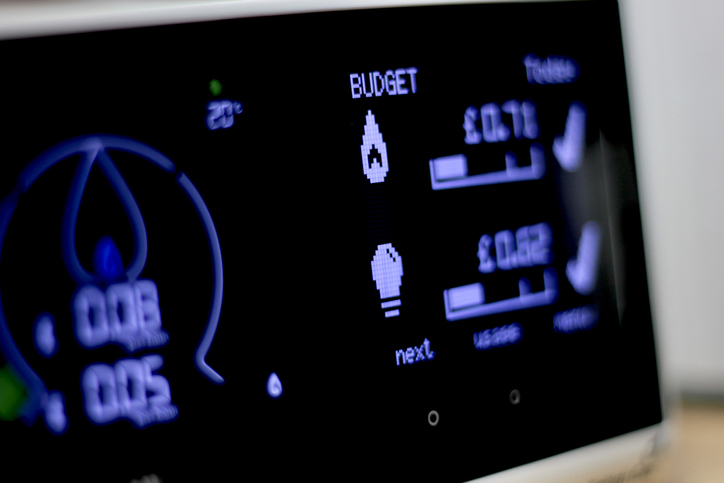
Smart meters can also help you gain greater control over your energy usage. If you are eligible for an In-Home Display (IHD), you can track your energy use in pounds and pence by day, week and month. And even if you don’t have an IHD, you should be able to access free, regular information on your energy use via an app or other data tool provided by your supplier. Using this information, you can see times when your energy use spikes and take steps to reduce it.
Sound good? Why not request a smart meter for your business today? The benefits to your business could be substantial.
In short: smart meter FAQs
How do smart meters help cut back on energy usage?
Smart meters send regular meter readings to your energy supplier. Your energy supplier can provide you with this information via an app or IHD, allowing you to see how much energy your business uses. This helps you to reduce your energy consumption by identifying times of unnecessary usage.
What should I do if I don’t own my property, but I pay energy bills direct?
You may want to get permission from your landlord before agreeing to any work, especially if this is stipulated in your contract.
How can I find out who my energy supplier is if I use a broker?
Ask the energy broker who arranged your current energy supplier. If they’re not sure, many energy brokers can contact the energy supplier on your behalf.
Can I change how frequently my readings are taken?
Your smart meter will take readings every half hour by default. Depending on when your smart meter was installed, you may have the choice to opt out of the standard half-hourly readings and have your readings taken once a month instead. However, this will revert to every half hour if you change contract or supplier.
Is my smart meter secure?
Smart meters have been designed in conjunction with both the government and GCHQ to ensure your business data is secure. Smart meters do not use the internet, and they have their own closed, dedicated communications system. Smart meters have been designed to ensure that security best practice has been incorporated at every stage.
Why are bills more accurate?
Because your future energy bills should be calculated based on what you use rather than an estimate. Smart meters give you clarity over your bills and remove the guesswork.
For more information about the benefits of installing a smart meter in your workplace, visit Smart Energy GB at smartenergyGB.org.
This article is part of a paid-for information campaign for Smart Energy GB.
Eligibility may vary. Consumer action required.
Sources:
Smart Meter Statistics in Great Britain: Quarterly Report to end June 2026
More on smart meters
Everything you need to know about smart meters for your business – A smart meter is greener and may save your business time and money – here’s how to get one
